Collection Autofill at Scale
May 28, 2026
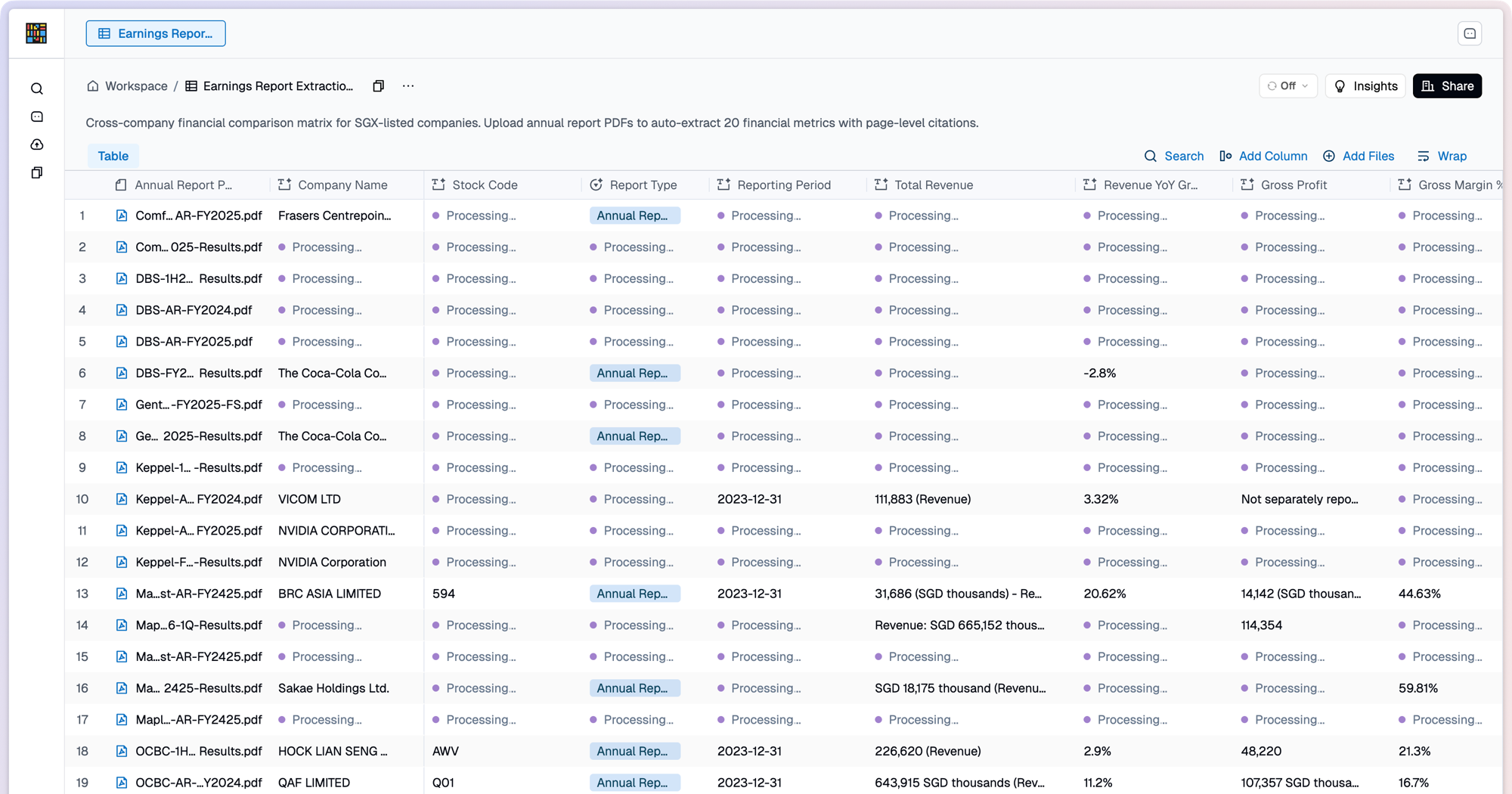
A design walkthrough of how Collection Autofill — a spreadsheet of AI-computed cells — stays fast, fair, and observable from a hundred rows to ten million.
Collection Autofill at Scale
May 28, 2026
A design walkthrough of how Collection Autofill — a spreadsheet of AI-computed cells — stays fast, fair, and observable from a hundred rows to ten million.
The Cluster You Do Not Watch
August 19, 2026
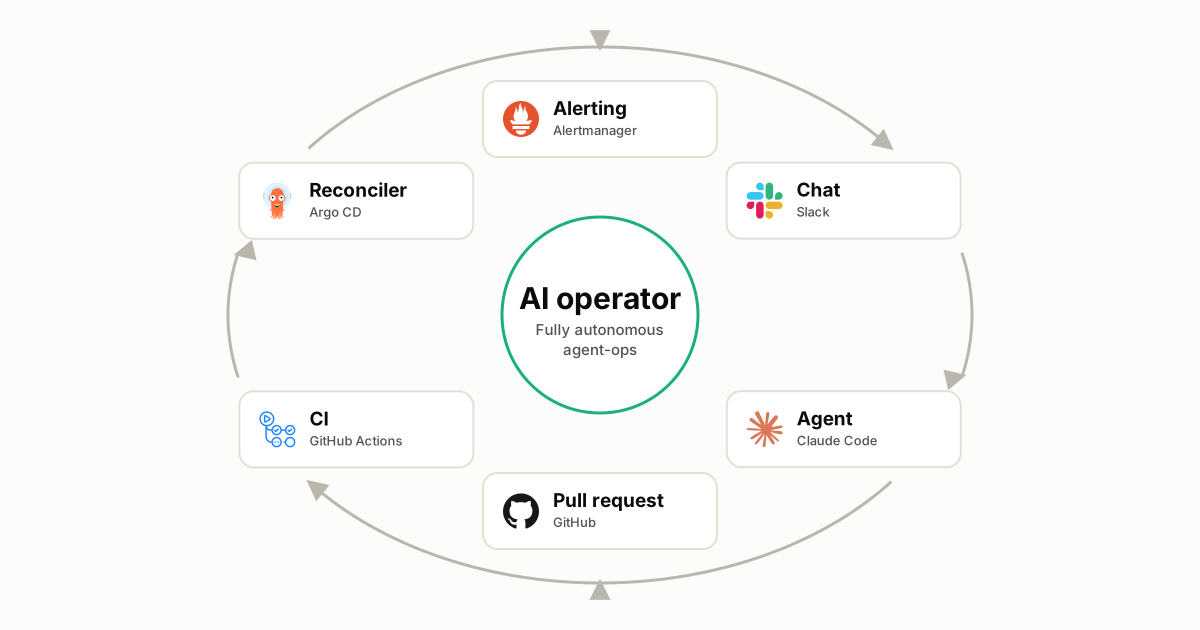
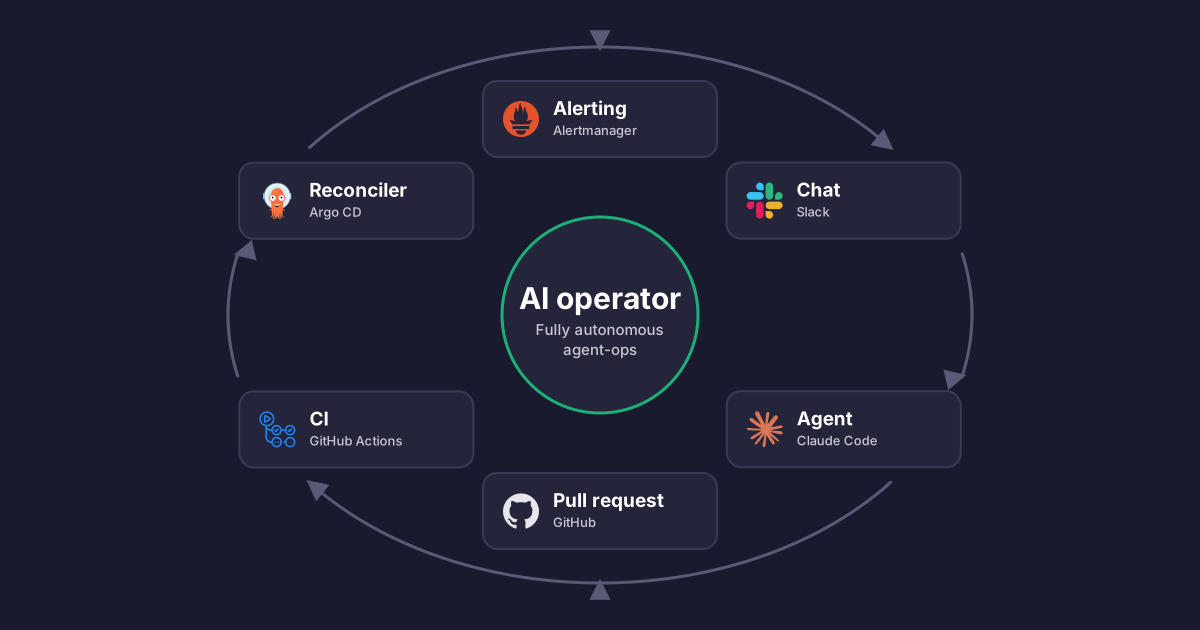
I almost never open Grafana any more. This is the operations architecture that made that true, on under US$10 a month of infrastructure — an agent that reads everything and writes nothing directly, alerts precise enough to act on, repairs that must prove they are safe before running, and one rule that turns out to be load-bearing: a check that cannot fail is not a check. None of it depends on which Kubernetes you run.
The Shapes of Agent Memory – Files, Stores, and Experience
August 12, 2026
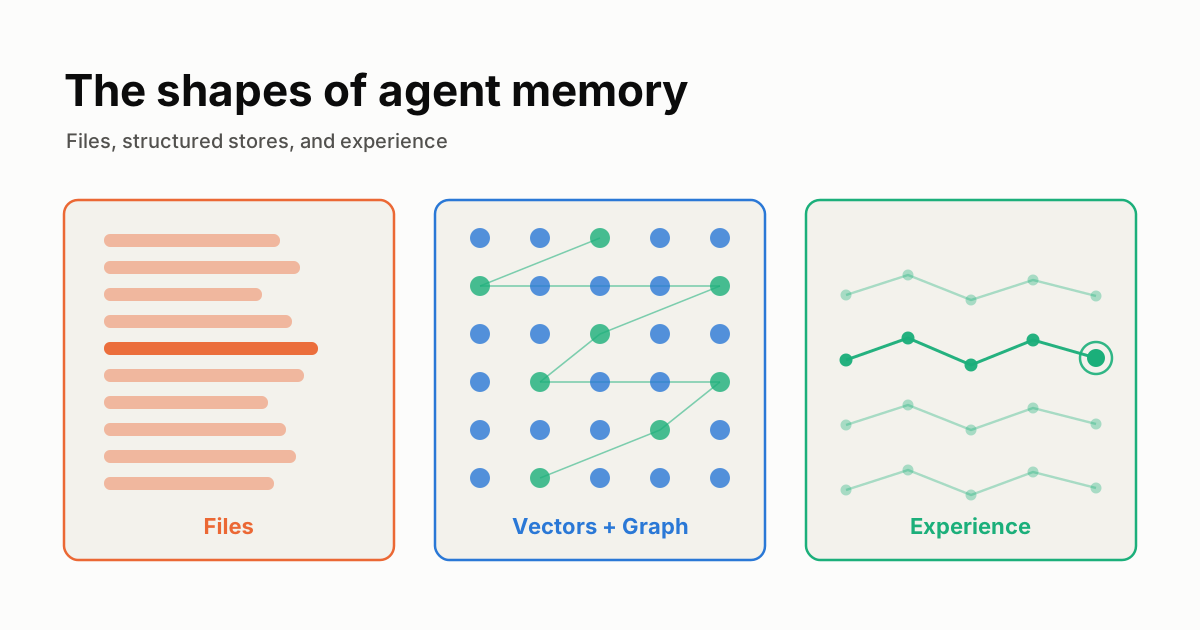
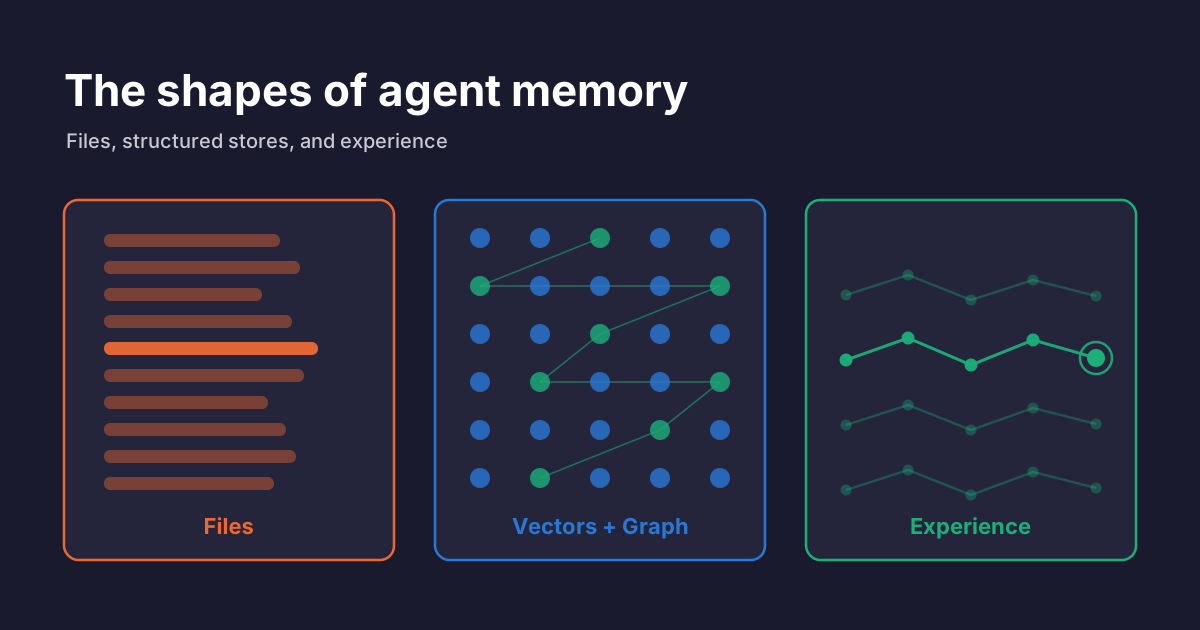
An agent that remembers across sessions can keep its memory as curated markdown files, as an auto-mined structured store, or as trained experience. I measured all of them: files against a structured store under one fixed model, a store-only head-to-head across the structured lineages, and an experience bank on the agentic benchmarks where the state of the art trains memory into the weights.
Why Steering Works – The Theory Beneath X Engineering for AI Agents
July 26, 2026
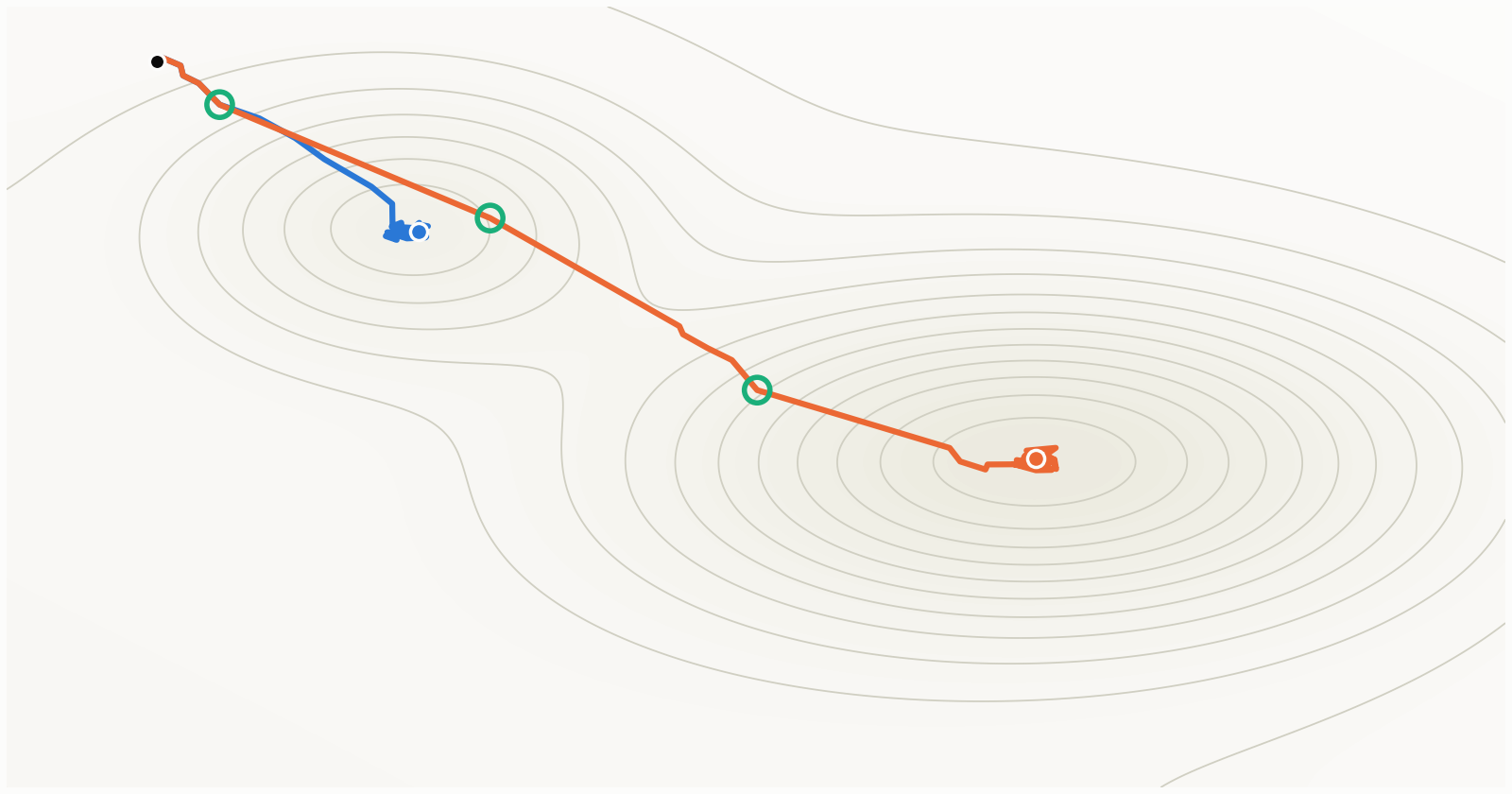
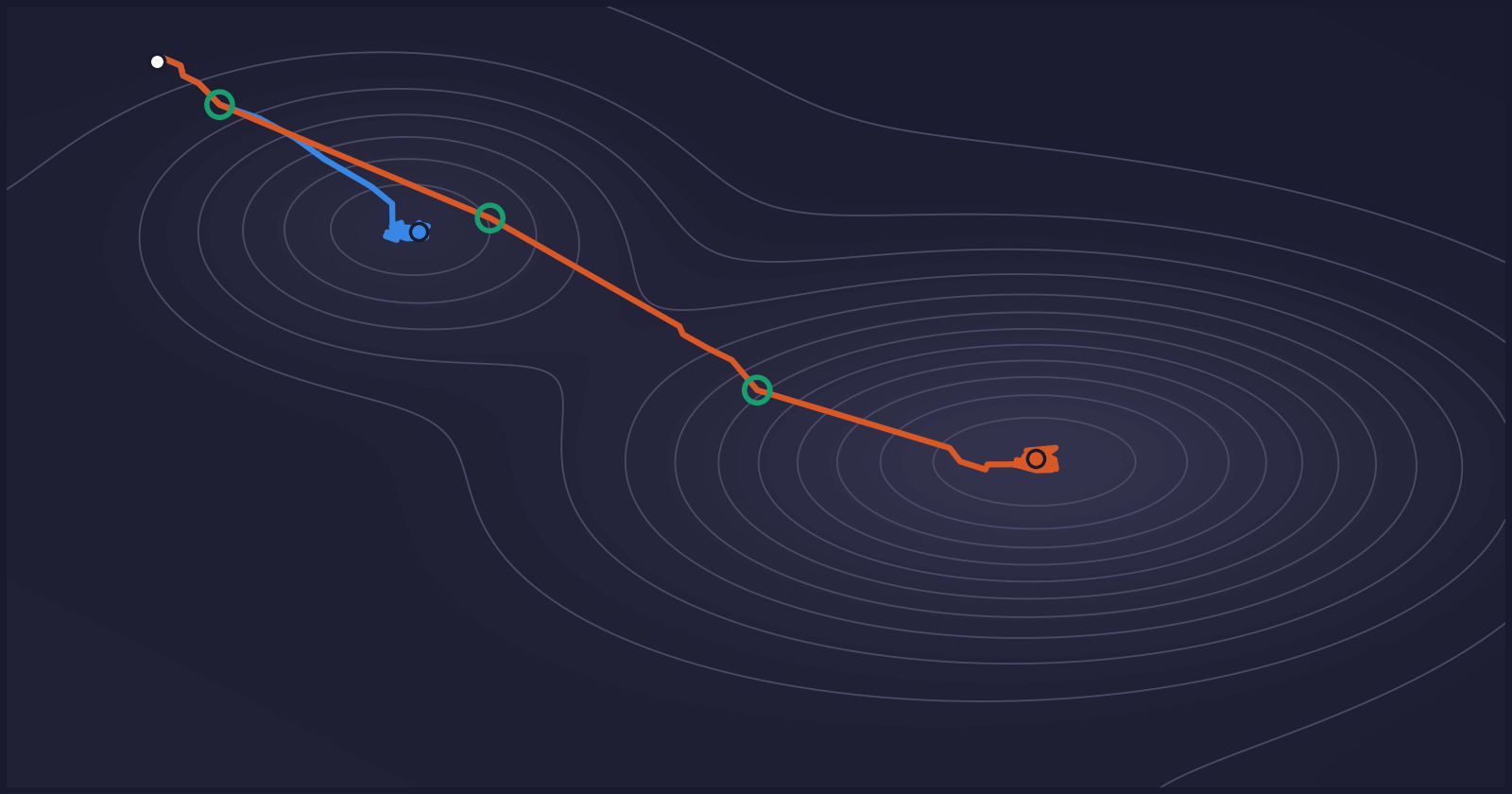
An agent run is stochastic gradient descent over solution space, and steering is how the true objective enters the loop. An optimization view and a Bayesian view that ground the industry ladder — prompt, context, harness, loop engineering — in foundation theory, and explain when a big model steering a small one beats distillation, and when it does not.
Optimizing Transformer Model Serving Parameters – An Apple Silicon GPU Case Study
July 11, 2026
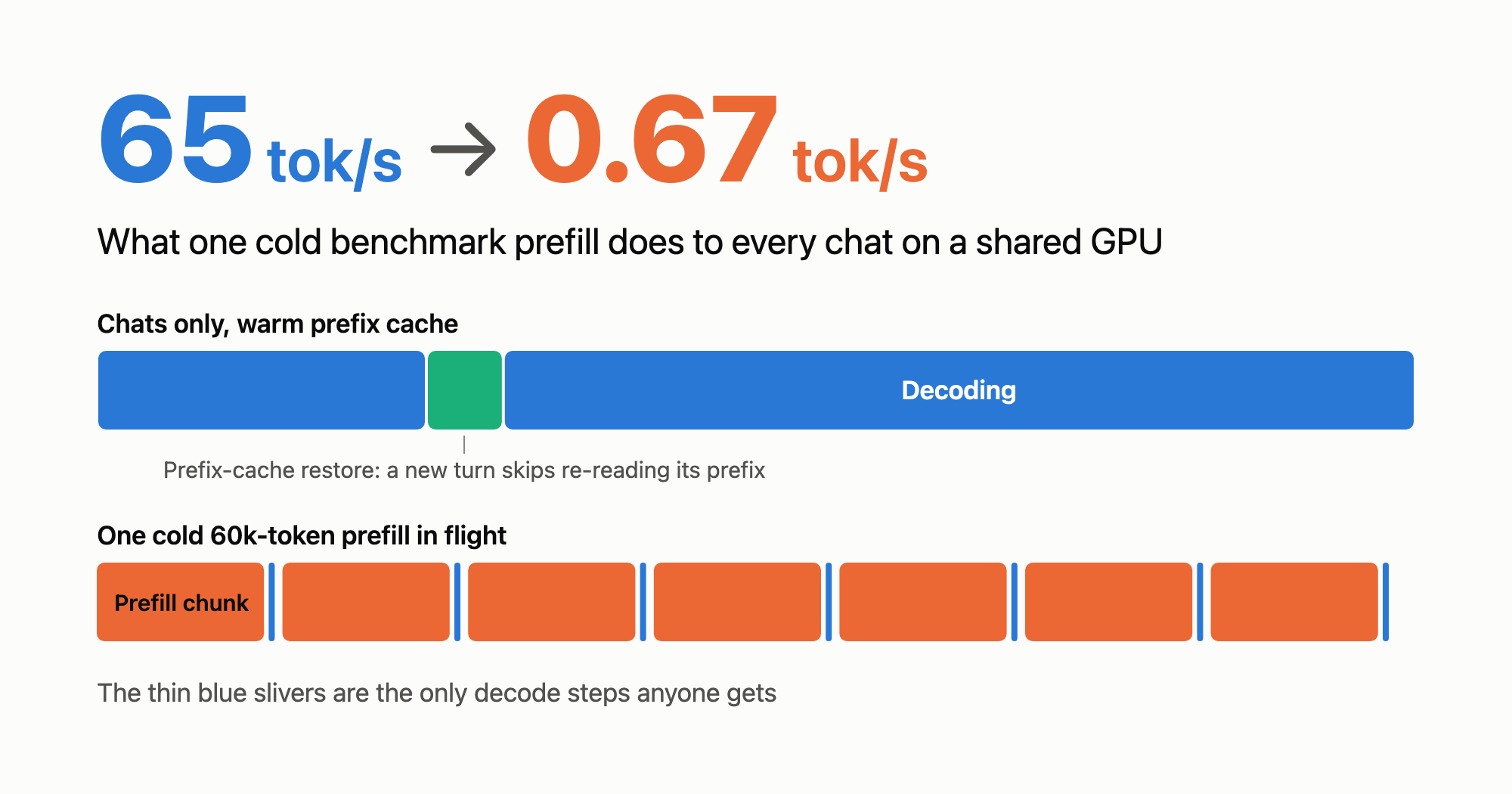
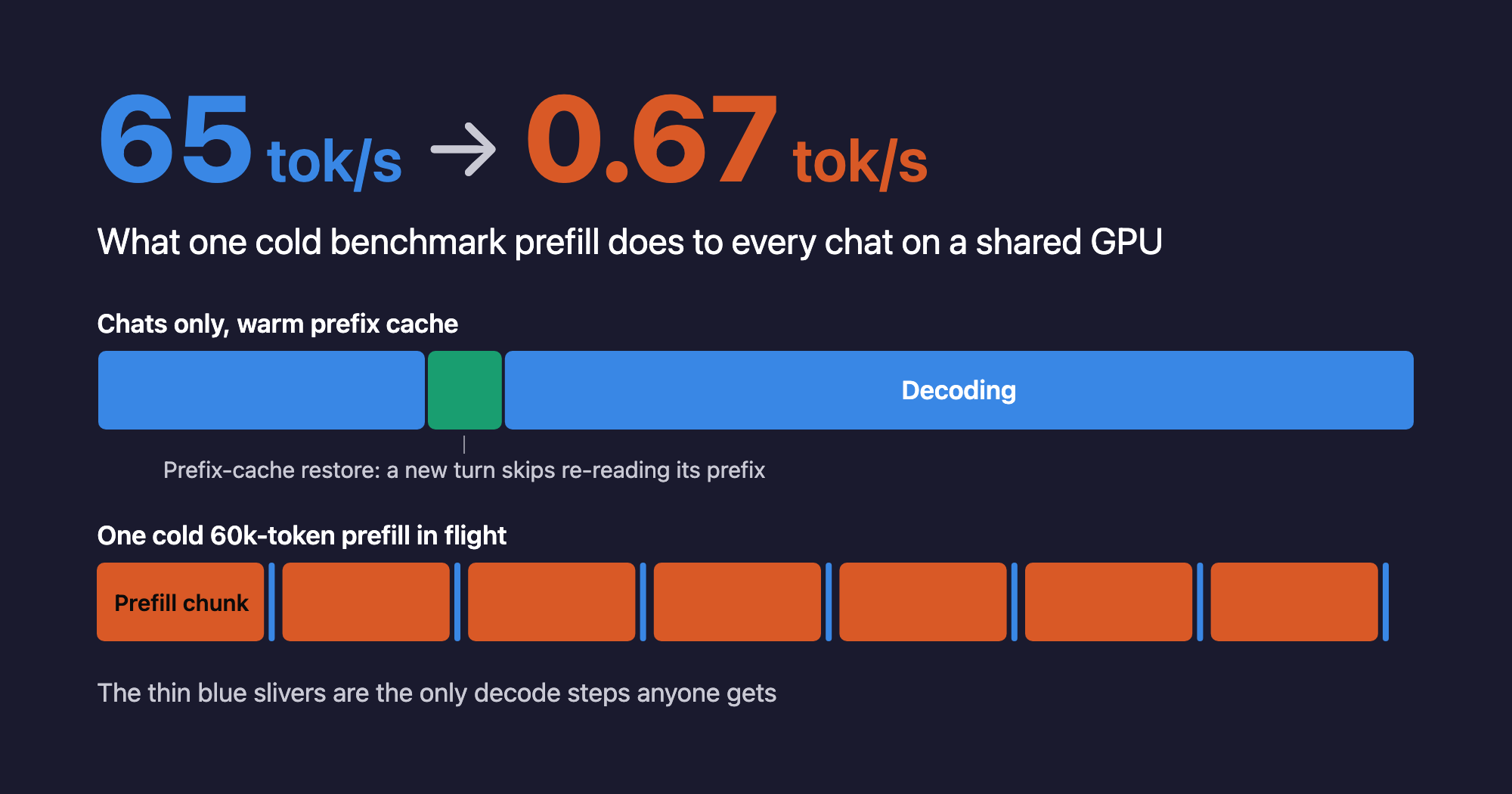
One MacBook Pro M4 Max, an open-source MoE, and a hands-on exercise in optimizing it for inference: why the thing that collapses LLM throughput by 100× is prefill, not decode, and the two prefill-side fixes that got it back.
Beyond OCR Scores: Where Document Parsers Fail
October 4, 2026
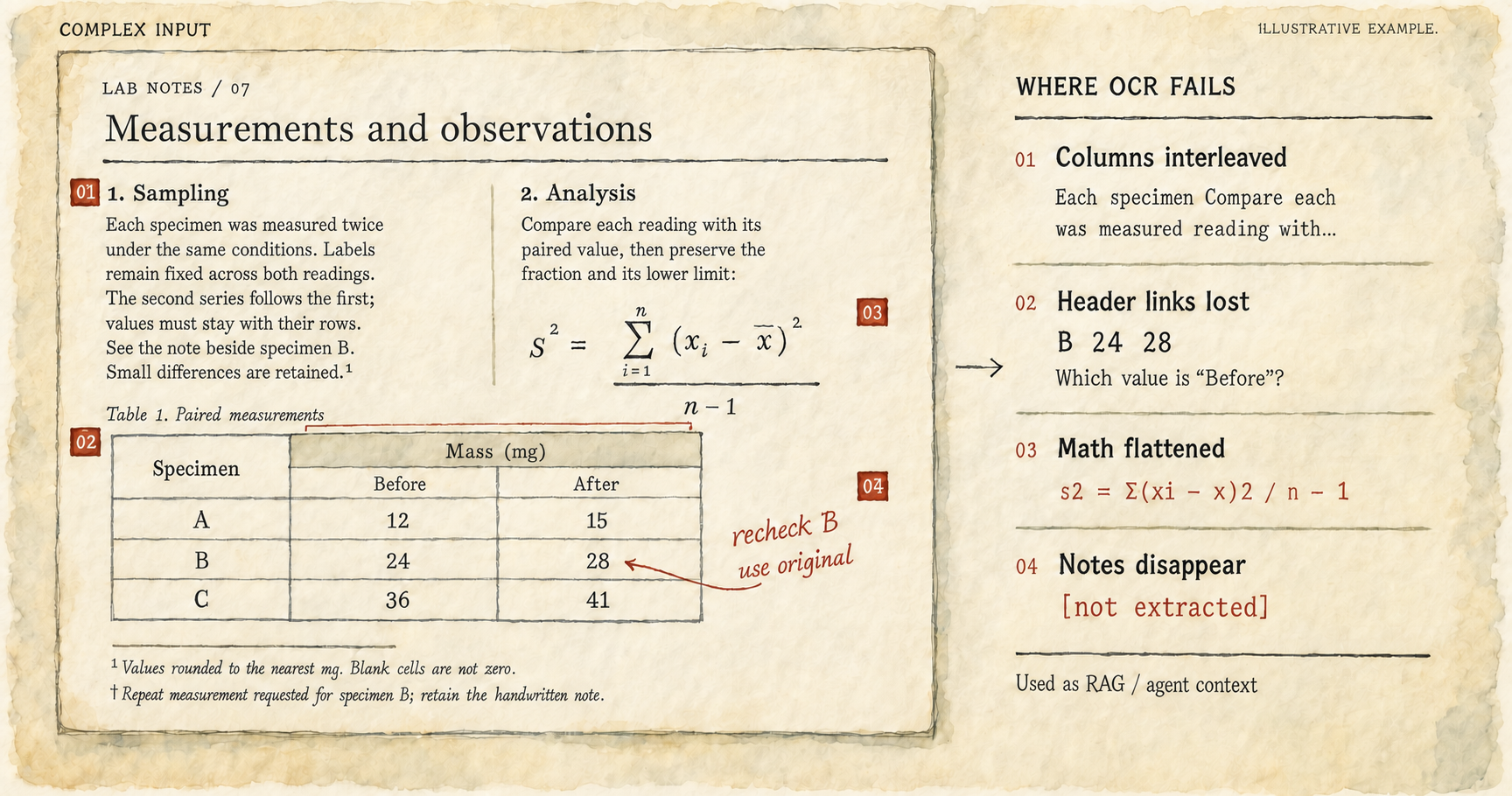
A 1,250-page OCR benchmark exposes the scrambled reading order, missing tables, and broken formulas that RAG pipelines and AI agents inherit. I compare document parsers, OCR specialists, the open-weights Qwen 3.6, the hosted Claude Fable 5.1 and GPT-6 Astra, and Apple Vision to show where each fails—and what aggregate scores hide.